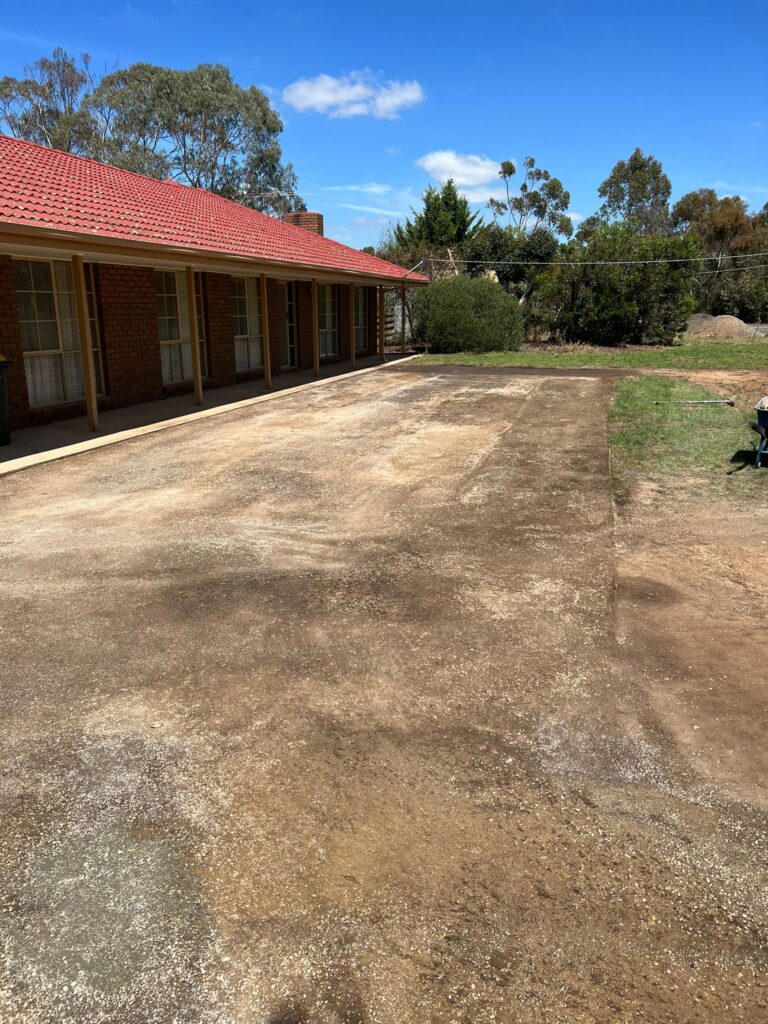
Asphalt is a reliable surfacing material for driveways, roads, car parks and commercial access areas, but regular vehicle movements and environmental exposure can gradually affect its condition. What begins as a small crack, rough patch or shallow depression can develop into more extensive deterioration if the underlying cause is not addressed.
For property owners and businesses in Young, NSW, recognising the early warning signs of asphalt damage can help preserve the existing pavement and prevent minor defects from affecting larger areas. Understanding what to look for, why these problems develop and when professional attention is necessary is an important part of effective asphalt maintenance.
Why Is Early Identification of Asphalt Defects Important?
Asphalt deterioration often develops progressively rather than occurring suddenly.
A small defect may initially have little effect on vehicle access. However, continued traffic can place additional pressure on the damaged section, while rainfall may enter cracks or collect in depressions.
Over time, the surrounding pavement can begin deteriorating as well.
Identifying defects early allows the condition of the asphalt and its supporting layers to be assessed before the damage becomes more extensive.
The aim is not to treat every minor surface change as a serious problem, but to recognise when deterioration is progressing and requires attention.
1. Look for Fine Cracks Developing Across the Surface
Cracking is one of the most common early signs of asphalt deterioration.
Small cracks can develop through ageing, temperature changes, repeated traffic loading or movement within the supporting pavement.
Initially, these openings may be narrow and difficult to notice. However, they can become more significant if they continue widening or spreading.
Common cracking patterns include:
- Fine cracks appearing in isolated sections
- Long cracks extending across the pavement
- Cracks developing along wheel paths
- Cracking around previous repairs
- Several cracks joining together
- Cracks forming near pavement edges
The location and pattern of cracking can provide useful information about the condition of the pavement.
Why Small Cracks Deserve Attention
A crack creates an opening through which moisture may enter the pavement.
If water reaches weakened supporting material, repeated vehicle loads can contribute to further movement and deterioration.
This can eventually lead to wider cracking, loose asphalt or pothole formation.
Where cracking remains localised and the surrounding pavement is stable, professional repairs may help prevent the defect from becoming more extensive.
2. Check for Changes in Surface Texture
An asphalt surface does not need to remain perfectly smooth throughout its service life. However, noticeable changes in texture can indicate that the wearing layer is beginning to deteriorate.
One common issue is ravelling, where aggregate particles gradually loosen from the asphalt surface.
Early signs include:
- Increasing surface roughness
- Small loose stones appearing
- A more open-textured appearance
- Aggregate becoming increasingly exposed
- Isolated patches losing surface material
These changes can indicate that the asphalt binder is no longer holding the aggregate as effectively in affected areas.
If the deterioration continues, larger sections of the wearing surface may begin breaking down.
3. Watch for Loose Aggregate Collecting Along the Edges
Loose aggregate can be an early indication of surface deterioration.
As vehicles travel across weakened asphalt, small particles may become dislodged and move towards the edges of the pavement.
A small amount of loose material does not necessarily indicate widespread failure, but increasing quantities should be investigated.
Pay particular attention to areas where:
- Vehicles brake regularly
- Tyres turn sharply
- Traffic follows the same wheel paths
- The asphalt surface appears rougher
- Small patches are beginning to break apart
Identifying these changes early can help determine whether the surface requires localised repairs or broader maintenance.
4. Identify Small Depressions Before They Become Deeper
A depression is a low section that develops within the pavement.
It may initially be difficult to notice during dry conditions, particularly if the surface remains relatively smooth.
However, depressions often become more obvious after rainfall because water collects in them.
These low areas can result from settlement, pavement movement or inadequate support underneath the asphalt.
A depression that gradually becomes deeper may indicate that the supporting pavement is losing stability.
Simply adding asphalt over the low area may not resolve the problem if movement is continuing underneath.
Professional assessment can determine whether the defect is confined to the surface or requires deeper pavement preparation.
5. Look for Water Collecting After Rainfall
Inspecting an asphalt surface after rainfall can reveal defects that are not immediately obvious during dry weather.
Water may collect in small depressions, wheel ruts or areas where the original pavement levels have changed.
Warning signs include:
- Puddles forming in regular wheel paths
- Water remaining around cracks
- Wet areas surrounding previous repairs
- Water collecting near pavement edges
- Low sections taking longer to dry
Standing water can increase moisture exposure around existing defects.
Where water repeatedly collects, the pavement profile and drainage conditions should be assessed.
Correcting drainage problems can be just as important as repairing the visible asphalt damage.
6. Recognise Early Wheel Rutting
Wheel rutting occurs when repeated traffic loading contributes to permanent depressions along frequently travelled paths.
Early rutting may appear as shallow tracks that follow the direction of vehicle movement.
Over time, these depressions can become deeper and begin affecting drainage.
Rutting may develop through deformation within the asphalt, weakness in the supporting pavement or a combination of both.
It is particularly important to monitor areas exposed to:
- Frequent vehicle movements
- Heavier traffic
- Repeated braking
- Regular turning
- Concentrated wheel loads
Where rutting is becoming progressively more noticeable, professional assessment can help determine whether the pavement requires repairs or more extensive preparation.
7. Check Asphalt Edges for Cracking and Material Loss
The edges of an asphalt surface can be particularly vulnerable when they lack adequate support.
Vehicles travelling close to the pavement boundary can place additional pressure on these sections.
Water erosion, settlement or loss of adjacent material may also contribute to deterioration.
Early warning signs include:
- Small cracks forming along the edge
- Loose fragments of asphalt
- Minor sections beginning to break away
- Gaps developing beside the pavement
- Settlement of surrounding material
Edge defects can gradually extend further into the traffic surface if the supporting conditions remain unchanged.
Addressing the cause early can help preserve the surrounding asphalt.
8. Inspect Previous Repairs for New Movement
Previously repaired sections can provide useful information about the overall condition of a pavement.
A properly completed repair should remain stable under its intended traffic conditions. However, new cracking or settlement around an older patch may indicate that deterioration is continuing.
Look for:
- Cracks forming around patch boundaries
- A repaired section becoming lower than surrounding asphalt
- Loose material developing beside a repair
- Water collecting along the repair edges
- Potholes returning in the same location
Recurring defects can indicate that the original problem extends beyond the visible wearing surface.
An experienced contractor can assess whether additional preparation is necessary.
9. Look for Small Potholes Before They Expand
Potholes often begin as relatively small areas of pavement failure.
Once asphalt material breaks away, the exposed opening can become increasingly vulnerable to traffic and water.
Vehicle tyres may disturb the edges of the pothole, causing additional material to loosen.
Rainfall can also collect inside the opening and affect the supporting pavement.
A small pothole should therefore be assessed before it develops into a larger damaged section.
Why Proper Pothole Preparation Matters
Effective pothole repair involves more than filling the visible opening.
Depending on the extent of deterioration, professional preparation may involve:
- Identifying the full damaged area.
- Removing loose or failed asphalt.
- Assessing the supporting pavement.
- Rebuilding unstable sections where required.
- Installing suitable repair material.
- Compacting the completed repair.
This approach helps address the damaged section rather than simply covering the visible defect.
10. Notice Areas That Are Becoming Uneven Under Traffic
Some asphalt defects are easier to recognise while travelling across the surface than by looking at it.
A driveway or access road may begin feeling noticeably rougher, even though the deterioration is not immediately obvious.
Changes may include:
- Small bumps
- Shallow depressions
- Uneven transitions
- Rough patches
- Increasing vibration during vehicle movement
These symptoms can indicate surface wear or movement within the pavement.
If the unevenness is becoming more pronounced, the affected area should be assessed before deterioration spreads.
What Causes Asphalt Defects to Spread?
Several factors can contribute to the progression of asphalt damage.
Continued Vehicle Loading
Repeated traffic places additional stress on weakened sections.
Small cracks or potholes may gradually expand as tyres continue passing over them.
Water Penetration
Moisture entering damaged asphalt can affect the supporting pavement.
Where the underlying material loses stability, cracking and deformation may become more extensive.
Poor Drainage
Water collecting on the surface can increase exposure around existing defects.
Depressions and wheel ruts may become particularly vulnerable.
Weak Supporting Pavement
If the foundation beneath the asphalt is unstable, surface repairs alone may not prevent further movement.
Ageing of the Wearing Surface
As asphalt ages, the binder can become less flexible and the surface may become more susceptible to cracking and aggregate loss.
Understanding which factors are contributing to deterioration helps determine the appropriate repair method.
How Can You Tell Whether Damage Is Localised or Widespread?
One of the most important considerations is whether defects are confined to individual areas or appearing across much of the pavement.
Localised deterioration may involve:
- A single pothole
- One isolated cracked section
- Limited edge damage
- A small area of surface wear
Widespread deterioration may involve:
- Cracking across several sections
- Numerous potholes
- Extensive ravelling
- Repeated settlement
- Multiple failed repairs
- Significant rutting
The distinction matters because different levels of deterioration may require different treatments.
Where the surrounding pavement remains stable, targeted repairs may be appropriate.
Where the wearing surface has deteriorated more broadly, resurfacing may be worth considering.
When Are Localised Asphalt Repairs Appropriate?
Localised repairs can be effective when damage is limited and the supporting pavement remains suitable.
Examples include isolated potholes, small failed sections and certain forms of cracking.
The repair method should reflect the cause of deterioration.
Where the supporting material is stable, the work may focus on restoring the affected asphalt.
If the pavement underneath has become weak or unstable, additional preparation may be required before the surface is repaired.
The objective is to restore a dependable section of pavement while preserving surrounding asphalt that remains in good condition.
When Should Asphalt Resurfacing Be Considered?
Resurfacing may be appropriate when the asphalt wearing layer has deteriorated across a larger area but the supporting pavement remains structurally suitable.
It can help restore a more consistent surface and address general wear.
However, resurfacing should not be used to conceal significant pavement defects.
Before new asphalt is installed, the existing surface should be assessed for:
- Potholes
- Cracking
- Rutting
- Depressions
- Drainage problems
- Unstable sections
- Previous repairs
Failed areas may require correction before resurfacing begins.
Where deeper structural problems exist, more extensive pavement preparation may be necessary.
Why Professional Assessment Helps Prevent Repeated Problems
Different asphalt defects can have similar appearances but very different causes.
For example, cracking may result from surface ageing or movement in the supporting pavement. A depression may develop because of settlement rather than simple surface wear.
These differences influence the appropriate repair method.
An experienced asphalt contractor can assess the visible damage alongside pavement stability, drainage and traffic conditions.
This helps determine whether the most suitable approach involves localised repairs, resurfacing or additional pavement preparation.
Addressing the cause of deterioration is important for reducing the likelihood of recurring defects.
How Often Should You Inspect an Asphalt Surface?
There is no single inspection schedule that suits every driveway, road or commercial access area.
The frequency of inspection should reflect how the pavement is used and whether defects are beginning to develop.
Surfaces exposed to regular traffic may benefit from more frequent observation, particularly around wheel paths, turning areas and drainage points.
It is also useful to check the pavement after heavy rainfall, as water accumulation can reveal depressions and drainage problems that are less noticeable in dry conditions.
Regular observation helps identify changes before they become more extensive.
Professional Asphalt Repairs and Resurfacing in Young, NSW
Identifying asphalt defects early is only the first step. Determining why they have developed is essential for selecting the appropriate treatment.
Young Road Tek provides professional asphalt and bitumen surfacing services in Young, NSW, with attention to existing pavement condition, drainage, surface preparation and the causes of deterioration.
Whether the surface contains isolated potholes, developing cracks, uneven sections or broader wearing surface damage, a professional assessment can help establish whether repairs or resurfacing are appropriate.
Conclusion
Asphalt defects often begin with relatively small changes that become more noticeable over time. Fine cracks, loose aggregate, shallow depressions, early rutting and minor potholes can all indicate that the pavement requires attention.
Recognising these warning signs before they spread provides an opportunity to assess the condition of the asphalt and supporting pavement while more of the existing surface remains serviceable.
Localised repairs may be suitable where deterioration is limited, while resurfacing may be appropriate when the wearing layer has become extensively worn. Where deeper pavement problems are present, additional preparation may be required.
For roads, driveways, car parks and access surfaces in Young, NSW, Young Road Tek can assess existing asphalt defects and recommend an appropriate repair or resurfacing solution. Timely professional attention can help prevent manageable defects from developing into larger areas of deterioration while maintaining reliable vehicle access.
Call us on: 02 5926 2530
Click here to find out more about Young Road Tek
Click here to complete our contact form and see how we can help with your Asphalt and Bitumen Surfacing needs.