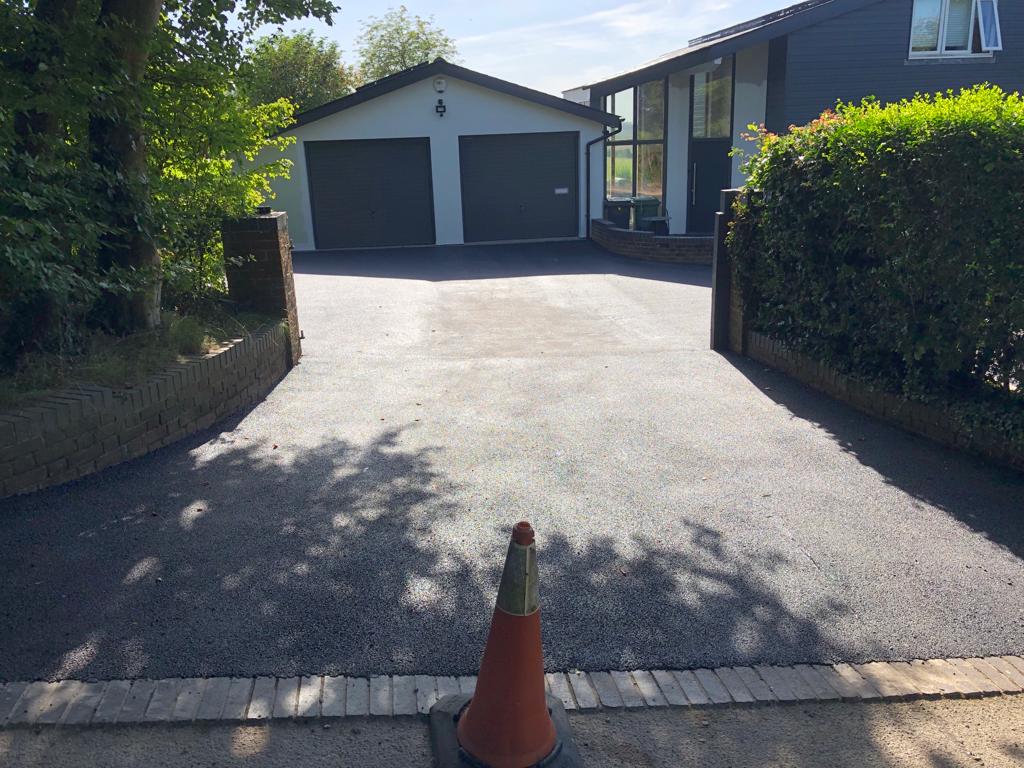
When a road begins developing potholes, ruts, cracks, uneven sections or drainage problems, deciding how to repair it is not always straightforward. Some roads can be restored effectively through grading, while others have deteriorated to the point where resurfacing or reconstruction provides a more appropriate long-term solution.
The important consideration is not simply how damaged the road looks. The condition of the pavement structure, the cause of the deterioration and the demands placed on the road all need to be assessed. For property owners, businesses and site operators in Young, NSW, understanding the difference between grading, resurfacing and reconstruction can help ensure the right work is carried out at the right stage.
Start by Understanding Why the Road Is Failing
Visible pavement damage is often the result of problems that developed gradually.
Water may have entered through cracks and weakened the pavement underneath. Poor grading can allow rainfall to collect or flow along the road, causing erosion. Repeated heavy vehicle movements may deform sections that lack sufficient structural support.
Before choosing a repair method, it is therefore useful to look for signs such as:
- Potholes and loose material
- Wheel-track rutting
- Cracking across the surface
- Depressions and settlement
- Water pooling
- Eroded pavement edges
- Corrugations on unsealed sections
- Soft or unstable areas
- Previous repairs that continue to fail
The combination and severity of these defects can help indicate whether grading, resurfacing or reconstruction is appropriate.
When Is Road Grading the Right Choice?
Grading is primarily used to reshape and restore suitable unsealed roads and pavement bases. It can correct surface irregularities, redistribute appropriate material and re-establish the profile required for effective drainage.
Grading may be suitable where the road has developed problems such as shallow ruts, corrugations, minor potholes, displaced material or an uneven driving surface but retains a generally sound underlying structure.
Correct grading can restore a smoother trafficable surface while creating appropriate falls that encourage rainfall to move away from the road.
For roads in Young, NSW, grading can also form an important preparation stage before asphalt or bitumen surfacing is applied.
Grading Cannot Repair a Failed Foundation
Although grading can dramatically improve the appearance and usability of a road, it cannot compensate for significant structural weakness underneath.
If the pavement contains deep soft areas, severe erosion or extensively weakened base material, simply reshaping the top layer may provide only temporary improvement.
The affected sections need to be repaired or rebuilt before final grading and compaction can produce a stable result.
When Should You Consider Resurfacing?
Resurfacing becomes relevant when an existing sealed road remains fundamentally stable but its wearing surface has deteriorated.
Over time, traffic and environmental exposure can cause asphalt and bitumen surfaces to age. Cracking, surface wear and localised defects may develop even though much of the pavement structure underneath remains serviceable.
Where appropriate, damaged sections can be repaired and the road prepared before a new asphalt or bitumen treatment is applied.
Resurfacing can:
- Renew an ageing wearing surface
- Improve driving quality
- Address widespread surface deterioration
- Restore a more consistent finish
- Provide renewed protection for the pavement underneath
- Extend the useful life of a structurally suitable road
The condition of the existing pavement must still be assessed carefully before resurfacing begins.
Why You Should Not Resurface Over Serious Damage
A fresh surface can improve the appearance of a road considerably, but it should not be used to hide unresolved structural problems.
If there are unstable sections underneath, significant movement may eventually affect the new surface. Deep rutting, major settlement, recurring potholes and extensive cracking can indicate that repairs need to extend below the wearing course.
Drainage problems should also be corrected before resurfacing. Otherwise, water may continue weakening the pavement and contribute to premature deterioration of the renewed surface.
Good resurfacing begins with appropriate preparation rather than simply applying new material over old damage.
When Is Road Reconstruction Necessary?
Reconstruction is generally considered when deterioration extends significantly into the pavement structure and the existing road can no longer provide reliable support.
Instead of treating individual surface defects, reconstruction addresses failed pavement layers and rebuilds the road to create a stable foundation for the new surface.
Signs that reconstruction may need to be considered include:
- Extensive structural cracking
- Deep or widespread rutting
- Significant pavement movement
- Large areas of settlement
- Numerous recurring potholes
- Severely weakened base materials
- Extensive washouts or erosion
- Widespread failure despite previous repairs
The objective is to remove or correct unsuitable material and rebuild the pavement appropriately for its intended use.
Traffic Demands Should Influence the Decision
The condition of the road is only part of the assessment. How the road is used today also matters.
A pavement originally constructed for occasional light vehicles may deteriorate more rapidly if it now carries frequent or heavier traffic. Turning areas, entrances and regularly travelled wheel paths can experience particularly concentrated stresses.
When substantial work is required, it provides an opportunity to consider whether the existing pavement construction remains appropriate for current traffic demands.
Rebuilding a failed road without considering how it will be used can allow the same weaknesses to develop again.
Drainage Is Important With Every Repair Method
Whether a road is being graded, resurfaced or reconstructed, drainage needs careful consideration.
Water that remains on the pavement or enters its supporting layers can contribute to erosion, loss of strength, potholes and deformation. A repaired road may therefore continue deteriorating if the underlying drainage problem is ignored.
Correct grading establishes suitable surface falls, while drainage provisions help direct water away from vulnerable pavement areas.
Where recurring damage is concentrated around low points or areas of water pooling, correcting the way water moves across the site can be just as important as repairing the road itself.
How Do You Choose Between the Three Options?
The most appropriate treatment depends on the depth and extent of deterioration.
As a general guide:
Choose Grading When
The road or pavement base is structurally suitable but has become uneven, rutted, corrugated or poorly shaped. Grading can restore the profile and improve drainage before compaction or further surfacing work.
Choose Resurfacing When
The existing sealed pavement remains reasonably stable but its upper surface has become worn or deteriorated. Necessary repairs and preparation should be completed before the new surface is installed.
Choose Reconstruction When
Damage extends into the supporting pavement structure and widespread instability means surface-level treatments are unlikely to provide a durable result.
The decision should ultimately be based on an on-site assessment rather than appearance alone.
Why Professional Assessment Adds Value
A road can look severely damaged while retaining a serviceable foundation, just as a relatively small surface defect can sometimes reveal substantial weakness underneath.
Professional asphalt and bitumen contractors assess the entire pavement rather than focusing exclusively on visible damage. This includes considering the base, drainage, grading, traffic patterns, previous repairs and the condition of surrounding areas.
For road surfaces in Young, NSW, this approach helps ensure the proposed work is proportionate to the actual problem. A road that only needs grading should not automatically be reconstructed, while a structurally failed pavement should not simply receive another superficial treatment.
Acting Before Damage Spreads
Early intervention generally provides more opportunities to preserve sections of pavement that remain in good condition.
Small drainage problems, isolated potholes and early surface deterioration can spread when exposed to continued traffic and rainfall. Monitoring a road and responding when these warning signs develop can help prevent localised problems from becoming widespread failures.
Regular maintenance also makes it easier to determine when a road is approaching the stage where resurfacing should be considered rather than waiting until extensive reconstruction becomes necessary.
Conclusion
Choosing between grading, resurfacing and reconstruction depends on what is causing the road to deteriorate and how deeply the damage extends. Grading can restore suitable unsealed surfaces and pavement bases, resurfacing can renew a structurally sound but ageing sealed road, and reconstruction addresses pavement that has experienced significant structural failure.
The best results come from assessing the complete road, including its drainage, base condition, traffic demands and existing defects, before deciding how to proceed.
Young Road Tek provides professional road grading, asphalt and bitumen resurfacing, repairs and pavement preparation in Young, NSW. If your road is showing signs of deterioration, contact our team to have its condition assessed and discuss the most appropriate approach for restoring reliable long-term performance.
Call us on: 02 5926 2530
Click here to find out more about Young Road Tek
Click here to complete our contact form and see how we can help with your Asphalt and Bitumen Surfacing needs.