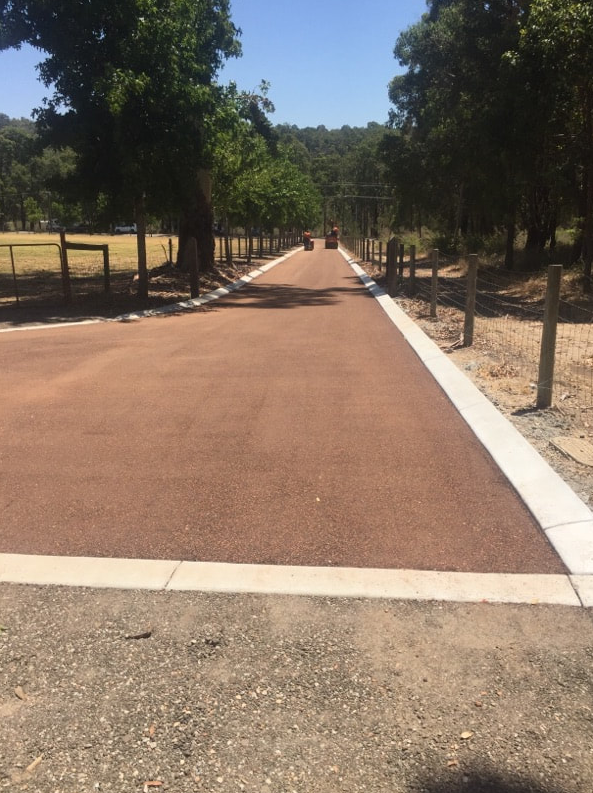
A hardstand is one of the most important assets on many commercial, industrial, agricultural, and operational properties. It provides a stable surface for vehicles, equipment, storage, and daily site activities. However, like any paved surface, a hardstand will eventually show signs of wear and deterioration. Recognising these warning signs early can help property owners make informed decisions about whether repairs are sufficient or whether a complete replacement is the better option.
At Young Road Tek, hardstands throughout Young, NSW are designed to handle demanding conditions. Understanding when a hardstand has reached the end of its service life is essential for maintaining safe and efficient operations.
Persistent Cracking Across the Surface
Small isolated cracks are often a normal part of surface ageing and can usually be repaired. However, widespread cracking across large sections of a hardstand may indicate deeper structural problems.
When cracks continue to reappear after repairs or begin connecting into larger patterns, it often suggests that the underlying base has weakened. In these situations, surface repairs may only provide a temporary solution.
For properties in Young, NSW, extensive cracking is often one of the clearest signs that a new hardstand should be considered.
Surface Rutting and Depressions
Hardstands are designed to support heavy loads, but over time, repeated vehicle and machinery traffic can create visible depressions or wheel ruts.
These low areas often indicate that the pavement structure is no longer distributing weight effectively. As the problem worsens, water can collect in the affected sections, accelerating further deterioration.
When rutting becomes widespread, replacement may provide a more reliable long-term solution than ongoing patch repairs.
Ongoing Drainage Problems
A properly functioning hardstand should allow water to drain away efficiently. If water regularly pools on the surface after rainfall or washing activities, it may indicate problems with the pavement profile or structural settlement.
Poor drainage can weaken the base layers beneath the surface and contribute to cracking, potholes, and instability.
If drainage issues persist despite maintenance efforts, a new hardstand may be required to restore proper grading and long-term performance.
Frequent Repairs Are Becoming Necessary
One of the most overlooked signs that a hardstand may need replacement is the increasing frequency of repairs. If new cracks, potholes, or damaged areas continue appearing despite maintenance work, the surface may be approaching the end of its useful life.
Repeated repairs can sometimes address visible defects, but they may not solve the underlying structural issues causing the damage.
For businesses in Young, NSW, a replacement hardstand can often provide a more durable and dependable outcome when maintenance becomes a recurring requirement.
Potholes and Surface Breakdown
Potholes are more than just a surface inconvenience. They often indicate that the underlying layers have weakened significantly.
As potholes become more numerous or larger in size, they can affect vehicle movement, machinery operation, and site efficiency. They may also signal that water infiltration has caused widespread damage beneath the surface.
A hardstand with extensive pothole damage often benefits from a complete assessment to determine whether replacement is the most effective solution.
Reduced Load-Bearing Performance
A hardstand should provide consistent support for vehicles, equipment, and stored materials. If sections of the surface begin to feel unstable, sink under load, or show signs of movement, the pavement may no longer be capable of handling operational demands.
This is particularly important for sites that rely on heavy machinery or frequent vehicle traffic.
When the structural capacity of the hardstand has been compromised, replacement is often necessary to restore reliability and safety.
Uneven Surface Levels
Settlement and movement beneath the pavement can create uneven sections across the hardstand. These variations in surface level can interfere with machinery operation, vehicle movement, and storage activities.
An uneven hardstand may also create drainage issues and increase wear on vehicles and equipment.
For operational sites in Young, NSW, maintaining a level surface is essential for productivity and efficiency.
The Benefits of a New Hardstand
Replacing an ageing hardstand provides an opportunity to address the root causes of deterioration. A new hardstand includes proper site preparation, modern construction techniques, improved drainage design, and a pavement structure suited to current operational requirements.
This creates a stronger and more reliable surface capable of handling ongoing use while reducing future maintenance concerns.
At Young Road Tek, hardstands are constructed to provide long-term durability and dependable performance for properties throughout Young, NSW.
Conclusion
Recognising the signs of hardstand failure is important for maintaining a safe and productive site. Persistent cracking, drainage problems, rutting, potholes, uneven surfaces, and increasing repair requirements often indicate that replacement should be considered.
A professionally constructed hardstand provides the stability, strength, and reliability needed to support ongoing operations and heavy traffic demands.
If your hardstand in Young, NSW is showing signs of significant wear, Young Road Tek can assess its condition and provide professional solutions designed to restore long-term performance and functionality.
Call us on: 02 5926 2530
Click here to find out more about Young Road Tek
Click here to complete our contact form and see how we can help with your Asphalt and Bitumen Surfacing needs.